



2026
How the Police Decide Who to Charge in an Assault Case
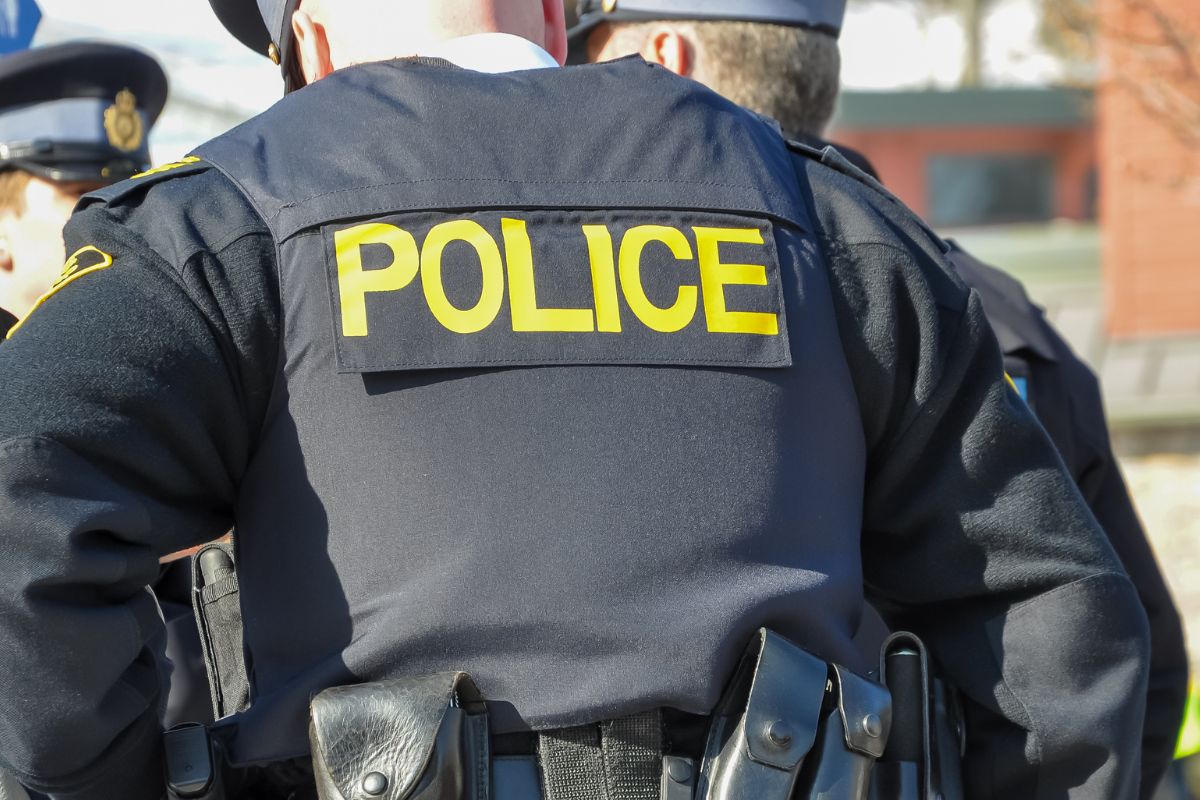
When the police arrive at a scene in Surrey, emotions are usually running high. Whether it is a late night altercation outside a bar on 104 Avenue or a heated dispute in a residential driveway, the officers are tasked with making a high stakes decision in a matter of minutes.
Many people believe that if they called 911 first, they are automatically the victim. Others think that if they were the one who got hit, the other person must be the one going to jail.
The reality of the Canadian legal system is far more clinical. The police follow a specific set of criteria to determine if a charge should be laid.
The Foundation of Reasonable and Probable Grounds
In Canada, the police do not need absolute certainty to make an arrest or recommend a charge. They operate on a standard called reasonable and probable grounds. This is a set of facts or circumstances that would satisfy an ordinary, cautious, and prudent person that the suspect probably committed the offense.
It is a higher standard than a mere suspicion but lower than the proof beyond a reasonable doubt required in a Surrey Provincial Court trial. When the RCMP arrives, they are looking for a baseline of evidence that suggests a crime occurred. This evidence usually comes from:
- Physical injuries like bruising, redness, or torn clothing.
- Statements from the people involved.
- Eye witness accounts from bystanders.
- Video footage from security cameras or smartphones.
- The physical state of the environment, such as overturned furniture or broken glass.
The Role of the Primary Aggressor in Domestic Disputes
In Surrey and throughout British Columbia, police are trained to identify the primary aggressor in domestic or intimate partner violence calls. This policy exists to prevent the arrest of someone who was merely acting in self defense.
Identifying the primary aggressor is not always about who landed the first blow. The police look at the history of the relationship and the relative size and strength of the parties. They also look for defensive wounds. If one person has scratches on their arms while the other has a bruised face, the police might conclude the scratches were an attempt to ward off an attack.
In these sensitive cases, the BC Violence Against Women Policy dictates that the police must take action if they believe an assault occurred. This often results in one party being removed from the home and given strict no contact conditions before they even see a judge.
How the Police Evaluate Self Defense Claims
Many people in Surrey find themselves charged with assault even though they feel they were just protecting themselves. Under Section 34 of the Criminal Code of Canada, you are allowed to use force to defend yourself, but that force must be reasonable in the circumstances.
When the police are on the scene, they weigh your self defense claim against several factors:
- Was the force used proportional to the threat? If someone pushes you and you respond by hitting them with a blunt object, the police will likely charge you.
- Was there an alternative to physical force? The police look at whether you had the opportunity to walk away.
- Did the force continue after the threat ended? If you knocked someone down and then continued to hit them while they were on the ground, your self defense claim usually disappears in the eyes of the law.
Distinguishing Between the Arrest and the Charge
There is a common misconception that the police are the ones who officially charge you with a crime in British Columbia. While this is true in provinces like Ontario, BC follows a different process.
In Surrey, the RCMP or Delta Police will arrest you and then prepare a Report to Crown Counsel. This document summarizes the evidence and the statements collected. The police recommend specific charges, but the final decision rests with the Crown Prosecutor.
The Crown uses a two part test to decide whether to proceed:
- Fair Prospect of Conviction: Is the evidence strong enough that a judge is likely to find the person guilty?
- Public Interest: Is it in the best interest of the community to prosecute this specific case?
This distinction is vital because a skilled lawyer can sometimes intervene during this window to convince the Crown that the police report is one sided or that the evidence does not meet the necessary threshold.
The Impact of Witness Credibility at the Scene
Police officers are human, and they are susceptible to the way information is presented to them. If one person is calm and articulate while the other is shouting or intoxicated, the officer may subconsciously find the calm person more credible.
Witnesses play a massive role in the police decision making process. However, witnesses are not always reliable. In a crowded area like a Surrey transit hub, different people may see the same event from different angles.
One person might see the end of a fight and assume the winner was the aggressor, while another witness saw the entire provocation. The police try to gather as many statements as possible to piece together the truth, but the initial narrative often sets the tone for the entire investigation.
Physical Evidence Can Overrule Verbal Statements
Statements can be fabricated, but physical evidence rarely lies. Forensic evidence is not just for TV shows; it is a staple of assault investigations in BC.
The police will often take high resolution photos of any marks or injuries. They may also seize clothing for DNA testing or blood spatter analysis if the assault was severe.
If your statement to the police says you never touched the other person, but they have a bruise that matches the shape of your ring or watch, the physical evidence will lead to a charge regardless of your verbal denial.
The Influence of Previous Criminal History
When the Surrey RCMP run your name through the CPIC (Canadian Police Information Centre) database, they see your entire history. If you have prior convictions for violent offenses or previous calls to your residence for similar issues, the police are much more likely to recommend a charge.
A clean record can sometimes work in your favor at the scene. If the incident seems like an isolated lapse in judgment and there are no serious injuries, the police might exercise discretion and let you go with a warning or a future court date. However, once a record of violence exists, that discretion usually vanishes.
Why You Need Immediate Legal Intervention in Surrey
The moment the police start asking questions, your legal jeopardy begins. Many people think they can talk their way out of a charge. In reality, most people end up providing the police with the very evidence needed to meet those reasonable and probable grounds.
The benefits of hiring an experienced lawyer early include:
- Protecting your rights: Ensuring you do not make self incriminating statements.
- Influencing the Crown: Providing the prosecutor with a more complete picture before they approve the charges.
- Managing Bail: Working to ensure you are not saddled with restrictive conditions that prevent you from going home or seeing your family.
- Gathering Evidence: Securing private surveillance footage or finding witnesses before they disappear.
At Gagan Nahal, we understand how the Surrey RCMP and the local Crown office operate. We know that the police report is just one version of events. Our job is to dig deeper and find the facts that the police might have missed or ignored.
Whether it is highlighting a clear case of self defense or pointing out inconsistencies in a complainant's story, we are here to ensure you are treated fairly by the justice system.
Gagan Nahal is a criminal defence lawyer based in Surrey, British Columbia, although he has represented clients across Canada. He works vigorously and tirelessly defending his clients.
If you have any questions about this article or you would like to talk to Mr. Nahal, please call him directly at (604) 527-4769.